





8 Nutrition Questions You’ve Always Wanted Answered
- Share This Story
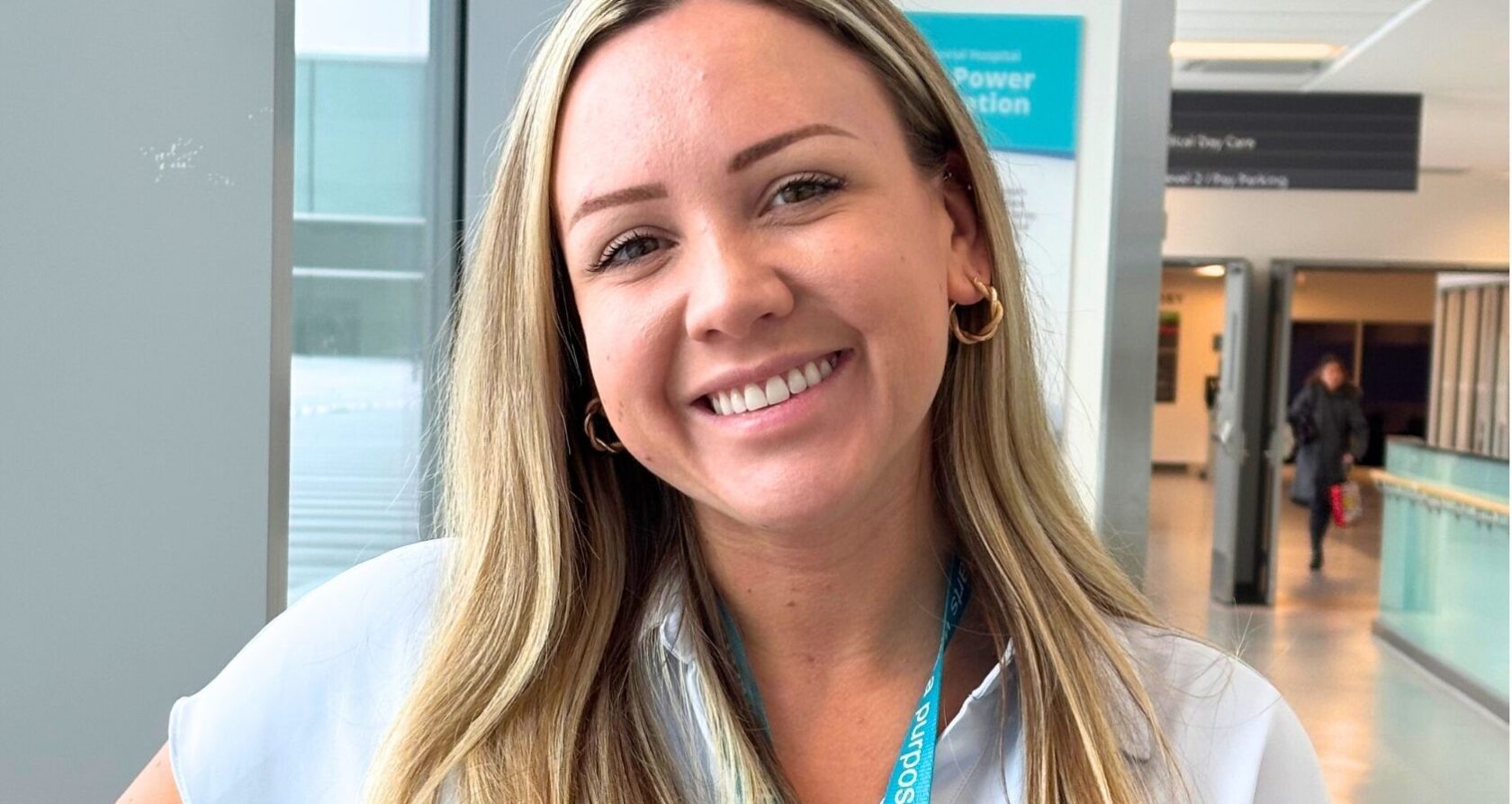
This Nutrition Month, we asked our community what they wanted to know about food, nutrition, and eating well. Paulina Bialek, Registered Dietitian at Oakville Trafalgar Memorial Hospital, answered every question with the kind of straight talk most of us never get at a regular doctor’s appointment.

1. Is it really that bad to skip breakfast?
People who regularly eat breakfast may have better overall diet quality and are more likely to meet their daily nutrient needs.
Some people naturally feel better eating later in the day, and that can still fit into a healthy pattern as long as their overall intake is balanced.
Skipping breakfast can become a problem when it leads to low energy, difficulty concentrating, or overeating later in the day. For people with diabetes, busy work schedules, or high activity levels, eating in the morning can help keep blood sugar and energy levels more stable.
For breakfast we recommend including protein, fibre, and healthy fats; eggs with whole grain toast, yogurt with fruit and nuts, or oatmeal with seeds. Those combinations help keep you full longer, meet your nutrient needs and support steady energy throughout your day.

2. What should I actually eat to have more energy throughout the day?
Energy levels are strongly connected to how stable your blood sugar is throughout the day, as well as hydration, sleep, and overall nutrient intake.
The most helpful strategy is to eat balanced meals at regular intervals – instead of going long periods without food and then eating very large portions.
It’s good to include three things at meals:
- A source of protein
- A high-fibre carbohydrate
- A healthy fat
A meal like rice with chicken and vegetables, or lentils with olive oil and salad, provides more sustained energy than something high in sugar alone. The way we combine foods together may have a better effect on our overall energy levels than choosing foods in isolation.
Staying hydrated is also important, because even mild dehydration can make people feel tired. Aim for about 2 litres (8 cups) of water per day, but individual needs can vary.

3. How do I know if my diet is missing something important?
People may notice fatigue, getting sick often, hair thinning, brittle nails, poor concentration, or digestive problems.
These symptoms don’t always mean a nutrient deficiency, but they can be clues that the diet may not be well balanced.
In Canada, common nutrients people don’t get enough of include fibre, vitamin D, calcium, iron, and omega-3 fats. This can happen if someone eats very few vegetables, fruit, whole grains, or protein foods, or if they follow a very restrictive diet. This can look like digestive issues, low mood, and changes to our skin, hair and nails.
The best way to know for sure is not to guess or rely on supplements, but to review your eating pattern with a Registered Dietitian who can look at the whole picture. Supplements can help in some cases, but they should be based on individual needs, not trends.

4. How much protein do I actually need - and do I need supplements?
Most adults need at least about 0.8 grams of protein per kilogram of body weight per day, but many people benefit from a bit more than that (you can multiply your weight in kilograms by 0.8 to get a rough estimate).
Older adults often need closer to 1.0 to 1.2 grams per kilogram to help maintain muscle, and people who are very active, recovering from illness, or healing from injury may need even more.
Most people can meet their protein needs through foods like meat, beans, lentils, tofu, eggs, dairy products, nuts, seeds, and whole grains. Plant foods contain different amino acids which are the building blocks of protein your body needs.
Protein powders and supplements can be useful in certain situations, such as when appetite is poor, needs are very high, or someone has difficulty chewing or cooking. But for the average healthy person, they’re usually not necessary. Focusing on food first whenever possible.

5. How do I eat well on a budget without relying on processed foods?
Eating healthy does not have to be expensive, but it does take some planning and creativity.
Cooking most of your meals can be more time-consuming, but can help you save money in the long run.
Budget-friendly options include dried or canned beans and lentils, eggs, oats, rice, potatoes, frozen vegetables, frozen fruit, canned fish, and plain yogurt. Frozen and canned foods are often just as nutritious as fresh, and they can reduce food waste because they last longer!
Planning meals ahead, cooking larger batches, and using leftovers can make a big difference in cost. Buying produce that is “in season” and store brands can also help.

6. What does healthy eating actually look like for someone over 60?
People over 60 often need more protein to maintain muscle, more vitamin D and calcium for bone health, and enough fibre and fluids to support good digestion.
Appetite sometimes decreases with age, so it becomes even more important to make every meal count nutritionally. The quality of the meals matters more than the quantity. Including a protein source at each meal – such as eggs, fish, yogurt, beans, or chicken – can help maintain strength and independence.
Older adults should also pay attention to hydration, because the sense of thirst may not be as strong. Small, regular meals with good fluid intake can be helpful if eating large portions feels difficult.
Guidance consistent with Health Canada recommends a balanced plate with vegetables and fruit, whole grains, and protein foods, with an emphasis on variety and adequate protein intake as we age.

7. What’s the difference between a dietitian and a nutritionist - and when should I see one?
In Canada, a Registered Dietitian is a regulated health professional.
Dietitians complete a university degree in nutrition, supervised practical training, and must be registered with a provincial regulatory college. That means they are qualified to give medical nutrition therapy and work in hospitals, clinics, and community settings.
The title nutritionist is not regulated in many provinces, so training can vary widely. Some nutritionists have formal education, but others may not have clinical training.
You should consider seeing a dietitian if you have a medical condition like diabetes, heart disease, digestive problems, or if you need support with weight, aging, sports nutrition, or tube feeding. Anyone can see a Dietitian for nutrition advice, and many healthcare plans include coverage for visits.

8. What’s the connection between what I eat and my mental health?
Diets that include plenty of vegetables, fruit, whole grains, legumes, fish, and healthy fats are associated with lower rates of depression and anxiety, while diets with highly processed foods are linked with poorer mental health outcomes.
Nutrients like B vitamins, iron, omega-3 fats, and protein are needed to make brain chemicals that affect mood. The gut microbiome also plays a role – the bacteria in our digestive system interact with the brain through what’s called the gut-brain connection.
Blood sugar stability is another factor. When people go long periods without eating or rely on a lot of sugary foods, they may feel more irritable, tired, or anxious.
Paulina Bialek is a Registered Dietitian at Oakville Trafalgar Memorial Hospital, part of the clinical team made possible through the support of Oakville Hospital Foundation donors. Experts like Paulina are part of what makes world-class care possible, close to home.
If Paulina’s answers sparked more questions for you, that curiosity is worth following. To find a Registered Dietitian in your area, visit the Dietitians of Canada directory.