





Listen To Your Heart With Dr. Heffernan
- Share This Story

Your heart works hard for you every single day.
This month, we’re sharing practical, science-backed ways to keep it healthy, straight from the experts. Talking with Docs, alongside Dr. Heffernan (Halton Healthcare’s Physician Program Director – Clinical Research), break down what really matters for heart health. No supplements. No extreme diets. Just clear, realistic advice you can use right away.
A look into cardiac heart tests many families may be navigating
Maybe you or someone you love experienced heart concerns in the past. Or maybe you’re simply curious about how doctors check in on heart health. Either way, heart tests can sound confusing at first.
Talking with Docs and Dr. Heffernan walk through six of the most common heart tests, explaining what they are, why they’re used, and what your results really mean:
From what you eat to how you rest, your daily habits all play a role in how your heart supports you. Here are five simple, proven ways Dr. Heffernan says you can show your heart some care:

1. Move Your Body Regularly
“150 minutes of moderate exercise a week- cycling, running a 10 minute mile, rowing will reduce cardiac events. It will reduce mortality so you will live longer.”
Regular cardio helps strengthen your heart, lowers the risk of cardiac events, and supports long-term health.

2. Eat With Balance In Mind
“Try and eat well. We all kind of go off the path a little bit, that’s fine… But you want to have more fruits, vegetables and legumes. If you eat meat- it’s lean cuts of meat. Just really look at portion sizes.”
Paying attention to portion sizes and maintaining healthy weight can make a meaningful difference in how your heart functions over time.
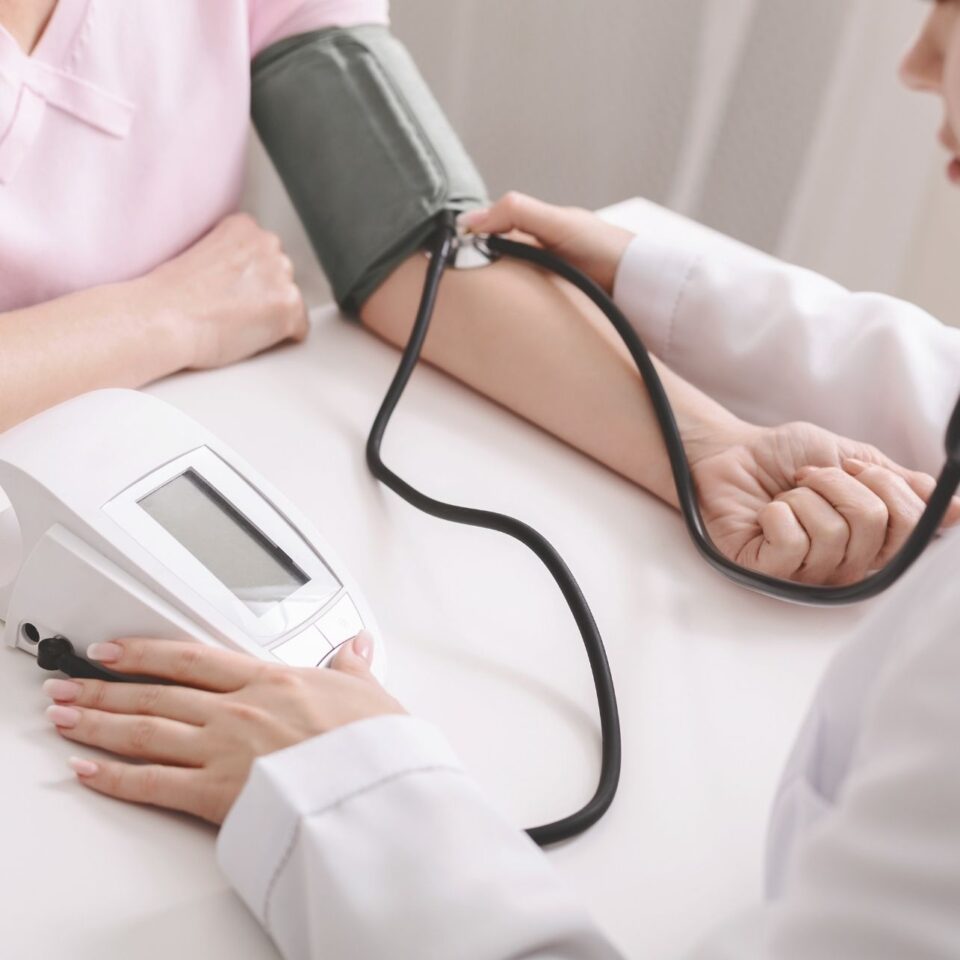
3. Know Your Numbers
“Know what your blood pressure is like. Know what your blood pressure is like. Know- especially- what your cholesterol numbers are.”
Keeping track of these numbers and talking with your doctor if something seems off can help you better understand how your body responds to lifestyle and genetics.

4. Prioritize Good Sleep
“Sleep… Try and get that 7-8 hours of sleep. A good healthy sleep is very important, you need to rejuvenate.”
A consistent bedtime routine gives your body time to rest, repair, and reset after a full day of mental and physical activity.

5. Make Space For Stress Relief
“Enjoy yourself- have a hobby. Something that is good for your mental health.”
Reading, gardening, creating art, or building something with your hands can help lower stress levels. You don’t have to be great at it. You just have to enjoy it.