


“You Are Never a Burden.”
- Share This Story
A note before you read: This story talks about suicide. Please read with care. If you are struggling, call or text 9-8-8 any time to reach the Suicide Crisis Helpline.
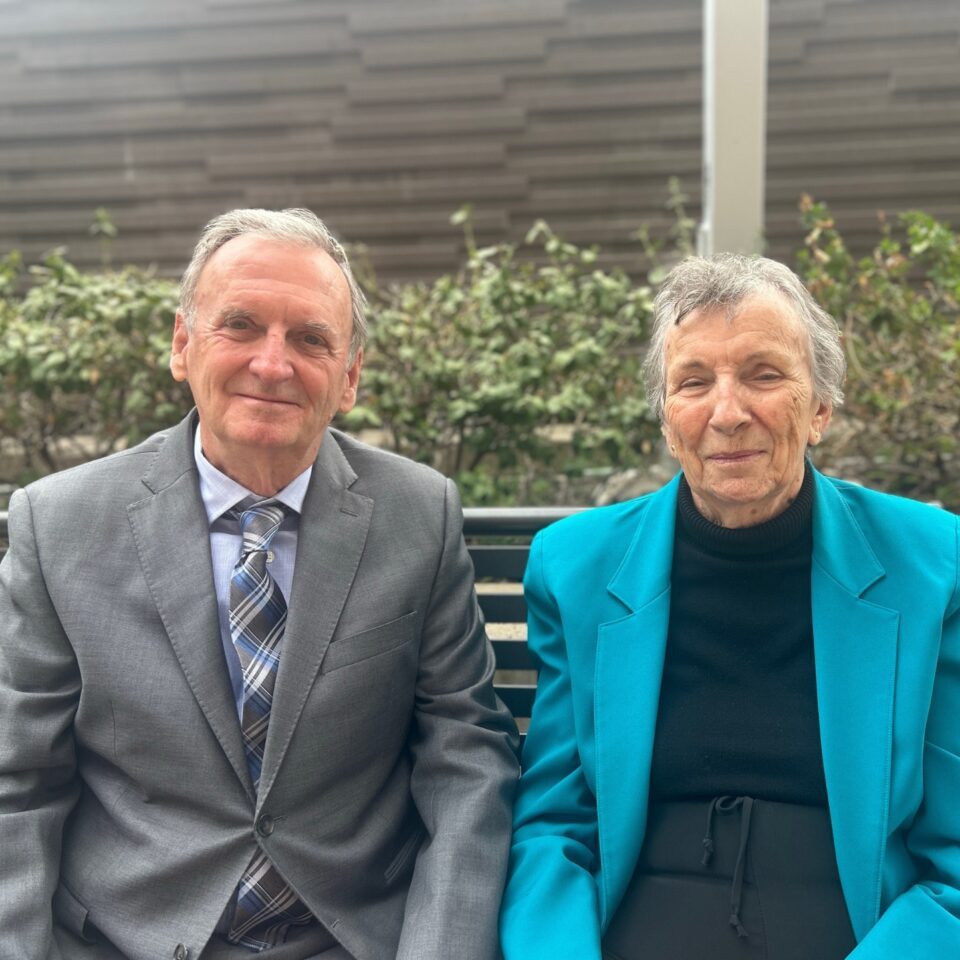
Meet the Fullerton’s:
By sharing their son Jacob’s story, Greg and Anne Fullarton are turning unimaginable loss into a message of hope. Through their openness, they aim to inspire more frank conversations about mental health, raise awareness of the hidden struggles many people face, and advocate for a future where individuals and families can access compassionate, ongoing mental health support close to home.
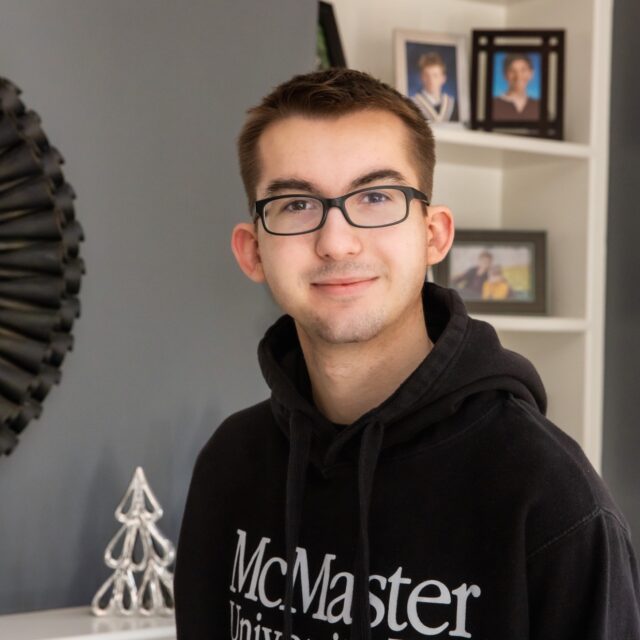
Reserved yet deeply empathetic, Jacob was known for his dry sense of humour, his creativity and his unwavering devotion to family. As the eldest child and first grandchild on both sides of the family, he naturally stepped into a caring role. He was especially protective of his younger brother, Dylan, and often acted as a second father figure in the home.
His love for helping others helped shape his future ambitions. After graduating from McMaster University with a degree in Human Behaviour, Jacob was exploring a master’s degree in Occupational Therapy, inspired in part by the desire to support his younger brother through his own mental health challenges.
Outside of academics, Jacob loved music, movies, reading and writing. He was passionate about anime and Japanese culture, creating beautiful video edits that blended scenes and music into pieces of art his family continues to treasure today.
“Very creative,” his parents recall. “He cared about everyone and everything around him.”
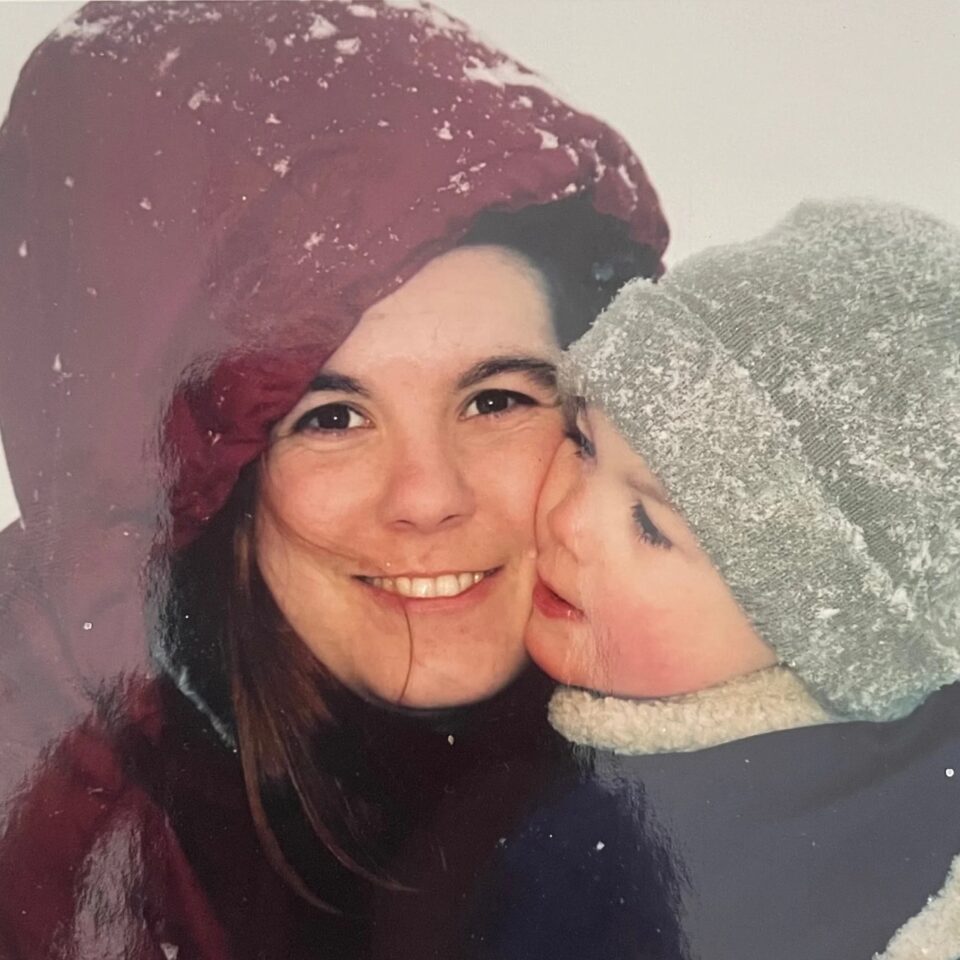
Mental Health Was Always Part of the Conversation
For the Fullarton family, mental health was never a taboo subject. It was something they spoke openly about.
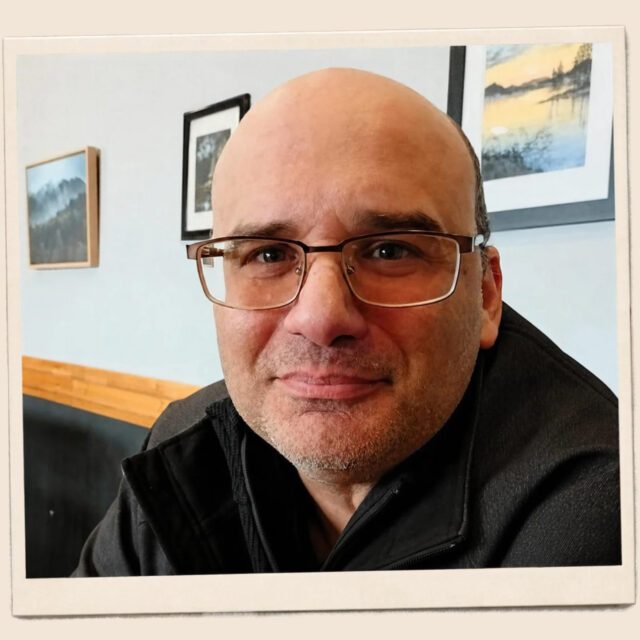
Greg has lived with anxiety, obsessive compulsive disorder, panic attacks and depression since childhood. Through those experiences the family built a culture of openness and understanding around mental health.
And yet, despite those conversations, despite checking in and creating a supportive home environment, Jacob’s parents never realized he was struggling. What happened next was something they never saw coming.
On November 1, 2024, the Fullarton family lost Jacob to suicide.
“Jacob showed no signs. Zero signs. However, when I went through his phone it showed he was clearly suffering in silence,” shared Greg.
There was no note. No goodbye. No obvious indication of what he was experiencing internally. His family had spoken with him regularly while he was travelling, sharing photos and updates from what was supposed to be a dream trip. Nothing suggested what was to come.
For Greg and Anne, this reality highlights an important truth. Mental health challenges are not always visible, and sometimes even the people closest to us may not know someone is suffering.
The Need for Continuous Support
The family believes more resources, more follow-up and better continuity of care are needed for patients and families navigating mental health challenges. Their hope is for a system where people can access timely care, thorough assessments and ongoing follow-up support throughout their mental health journey.
Anne agrees that timely intervention and ongoing follow-up can make a critical difference.
If someone does show up or makes that call, that’s probably your only chance to actually help them,” she says. “You have to take them seriously. You have to get them the help right away. And there has to be follow-up.
Finding Strength in Community
In the aftermath of losing Jacob, Greg and Anne leaned on the people around them.
Family, friends and professional counselling became important sources of support as they learned to navigate profound grief.
For Anne, one of the most meaningful acts of kindness came through something surprisingly simple: text messages.
“I loved when friends and family kept texting me,” she says. “They didn’t always expect a text back.”
Even responding to a message can feel overwhelming while grieving, but knowing people were continuing to reach out provided comfort and connection.
The advice she offers to others supporting someone after a loss is simple:
“Most people would rather you say anything than nothing.”
“A lot of people don’t know what to say. We think that’s a huge mistake. Don’t disappear. That’s worse.”
Sometimes the most meaningful message is simply:
“I’m here. I don’t know what to say, but I’m here.”

"It's Our Job to Pause the World"
As they reflect on Jacob’s legacy, there is one message Greg and Anne hope reaches every young person who may be struggling.
Many people who are struggling worry that asking for help will burden those they love.
They remain silent because they don’t want to add to someone else’s stress or concerns.
Anne wishes Jacob, and every young person facing similar struggles, could hear something different.
It’s our job to pause the world to get you help. Don’t worry about anything else except getting you help right now. You are never a burden.
She also encourages parents to be mindful of children who may quietly take on the role of being the “easy one.”
For the Fullartons, these words have become part of Jacob’s legacy and part of the message they hope others carry forward.
Remembering Jacob
Today, Greg and Anne have found comfort in sharing Jacob’s story and talking about the son they love.
His friends still visit. Stories are shared often. Memories surface through music, conversations and moments that remind them of his kindness, humour and creativity.
We love to talk about him,” Greg says. “Don’t be afraid to bring him up. It’s a way to keep his memory alive.
By sharing Jacob’s story, the Fullartons hope to help other families feel less alone and encourage more open conversations around mental health.
They also hope their story helps create a future where more people can access the care, resources and ongoing support they need close to home.
If you or someone you love is struggling, you are not alone. Call or text 9-8-8 any time to reach the Suicide Crisis Helpline. Young people can also reach Kids Help Phone at 1-800-668-6868 or text CONNECT to 686868.
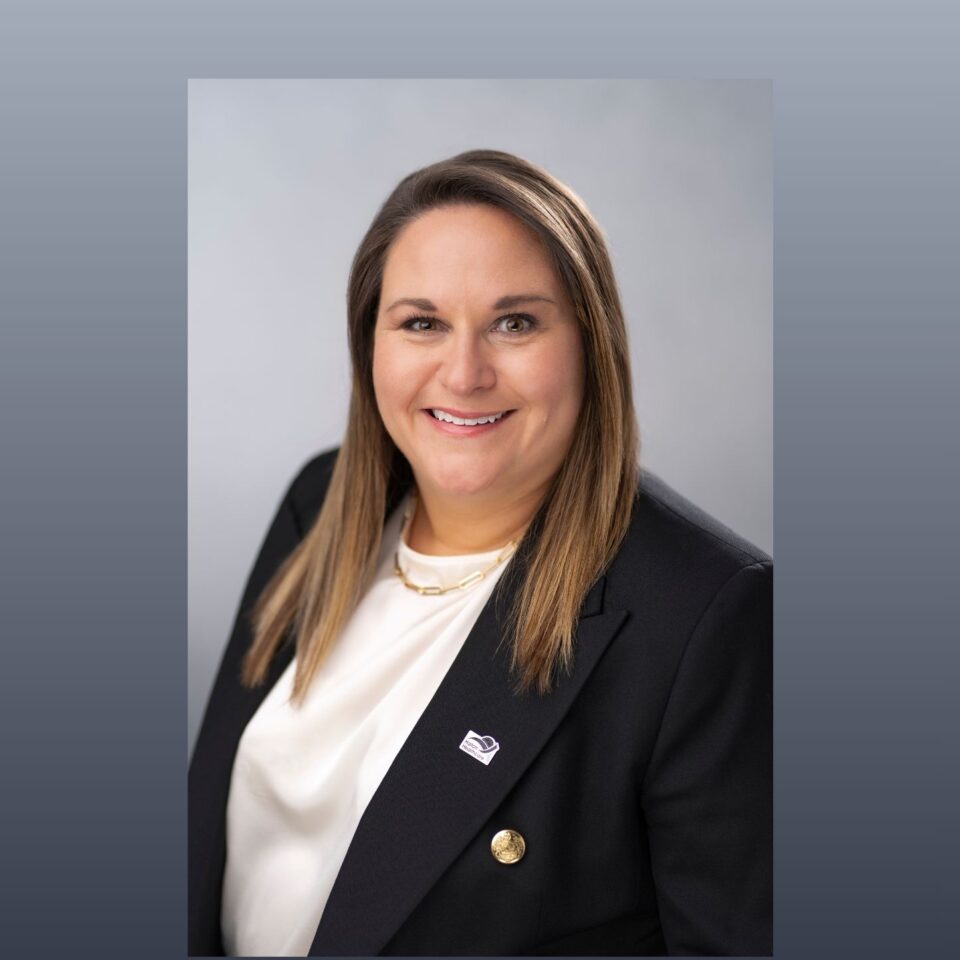
Best Foot Forward (BFF) Campaign
Anne said it plainly: when someone reaches out, that may be the only chance to help. And there has to be follow-up.
Best Foot Forward helps make that possible. Your support keeps mental health care at Halton Healthcare there for people, from that first call to the ongoing support that helps them heal, close to home.
So that individuals who are struggling know they are supported.
So that families can find the right care at the right time.
And so that every person knows, without question, that they are never a burden.